BATA response to Interim Report from Airports Commission

Simon Buck, Chief Executive of the British Air Transport Association (BATA), responding to the publication today of the Airports Commission ‘Interim Report’, said:

“There is much to digest in the interim report from the Airports Commission. BATA welcomes the clear recognition from the Commission that there will need to be net additional runway capacity in the south east of England, where demand is greatest, in the coming decades. We do not currently have a preference for the best options or sites, but along with our member airlines, will be considering the shortlist in more detail over the coming months.

“It is now up to Sir Howard and his team to work on the shortlist of options, making sure they consider both cost and value for money as part of their assessment criteria.  

“At the same time, politicians of all stripes must commit to supporting and implementing the Commission’s final recommendations when they are published in summer 2015.

“The Commission’s findings have to be the final word on the crucial question of airport capacity for a considerable length of time. The UK cannot afford further procrastination and delay in dealing with this issue.

“We note the recommendations from the Commission for improving capacity in the short and medium term and will be considering these with our members. The implementation of any of these recommendations should serve to improve the resilience of airports. The recent recommendations by the Commission and undertakings by the Government on improving surface access to airports are particularly positive.

“BATA will also continue to support growth and the need to secure capacity at regional airports. Given the crucial role they play in the UK’s infrastructure, it is vital that connectivity between the regions and any newly created capacity in the south east is preserved and enhanced.” 

ENDS

View from the Chief Executive – November 2013

September and October have been exceptionally busy months for the BATA team while we juggled with responding to a raft of Government public consultations at the same time as organising our Volcanic Ash Summit. We are enormously grateful for the first class facilities and sponsorship we received from Holman Fenwick Willan in hosting the summit that brought together scientists, operators, manufacturers and regulators in what we hope was a useful forum for all.

November is bringing no let up in activity and we are also nearing what for many is a highlight of the BATA year – our annual dinner to be held on 29th January 2014. We are delighted that the Secretary of State for Transport has agreed to be our keynote speaker. Contact the BATA Office for more information and to make a booking.


Reaction to Final Proposals from CAA on Airport Charges at Heathrow and Gatwick

Simon Buck, Chief Executive of the British Air Transport Association (BATA), said:

“Airlines are deeply frustrated and disappointed with the final proposals for consultation on airport charges published by the CAA today. 

“BATA supports improving the passenger experience and we believe this can be done without a repeat of the incredibly steep price rises we have seen in airport charges in the last few years. Prices at Heathrow are triple the level they were ten years ago and we believe there should be a real terms reduction in charges applied to each passenger at this airport for the next five year period instead of a further hike as proposed today.  At Gatwick, an increase in prices will not be in the passenger interest and will fail to offer value for money while at the same time ignoring evidence for lowering prices.

“The CAA must use the final consultation period to review and rectify its decision and properly fulfil its duty to the consumer.”


ENDS


View from the Chief Executive – August 2013

simonbuckAt the last count, there have been no less than 31 aviation related public consultations issued by regulators this summer. This must be a record. These consultations range from major policy issues such as those under consideration by the Airports Commission to the more technical such as the progress of SESII. While nobody should complain when genuinely consulted prior to an important policy decision being made, the deluge of consultations this summer tests the capacity we all have for responding. BATA aims to help identify and list the consultations, offering first draft responses where Neal and I have the knowledge to do so. We are, however, dependent on and grateful for specialist input form members where needed. To address this record workload, BATA gives priority to those issues of importance identified by the Executive Committee. For example, BATA has worked closely with CAA and others through a series of working groups in which members put time and effort for the collective good. It was particularly useful to see the EC publish its list of “Extraordinary Circumstances” where the delay compensations provisions of EC261 should not normally apply. Although still not perfect, the situation is better than before and BATA members should take some credit for working with CAA on this.

BATA Statement on Airport Capacity

BATA CALLS ON GOVERNMENT TO COMMIT TO A ROBUST AVIATION POLICY TO SUPPORT AND GROW INTERNATIONAL AIR CONNECTIVITY

Marking the deadline on Friday 19th July for the submission to the Airports Commission of long term proposals for developing capacity, the British Air Transport Association (BATA), representing UK registered airlines, has issued the following statement:

The UK is a collection of islands off the coast of North West Europe with only one fixed land based connection to the continent. The role of aviation in maintaining the UK’s connectivity has to be seen in this context.

BATA firmly believes that both hub capacity and non-hub capacity should be increased where and as required. Increasing the UK’s capacity beyond its current constraints is essential to maintain the UK’s competitive position thus creating new business opportunities and jobs throughout the country.

As the UK’s only existing hub has effectively been at capacity for over a decade, expansion would allow UK airlines and airports to serve the customer demand that has either been lost to foreign airlines and airports or suppressed by the UK’s capacity constraints. The UK economy would derive significant and lasting benefits in the form of inward investment and jobs from improved connectivity with new markets around the world.

However, it is crucial that any new airport capacity is both affordable and located where airlines and passengers will use it. Unaffordable or poorly located capacity will not be used and risks being a ‘white elephant’.

Commenting, Simon Buck, Chief Executive of BATA said:

 “To ensure there is no further erosion of the UK’s competitive position, the Government must set a clear commitment to a new and robust national aviation policy that truly maintains the UK’s status as an international hub for aviation and also permits growth in non-hub airport capacity when and where demand requires.”

“There are significant risks associated with an increasing reliance on overseas hub airports to provide connectivity for the UK. Relying on overseas airports will lead to a degradation of UK connectivity while existing UK hub capacity slowly withers. As a country we would be handing over a strategic national asset and resource to foreign interests and would no longer be in charge of our own destiny. This would have serious implications for the future security of the UK’s global connectivity.”

ENDS

View from the Chief Executive – June 2013


Summer Reception 13 PM SoS

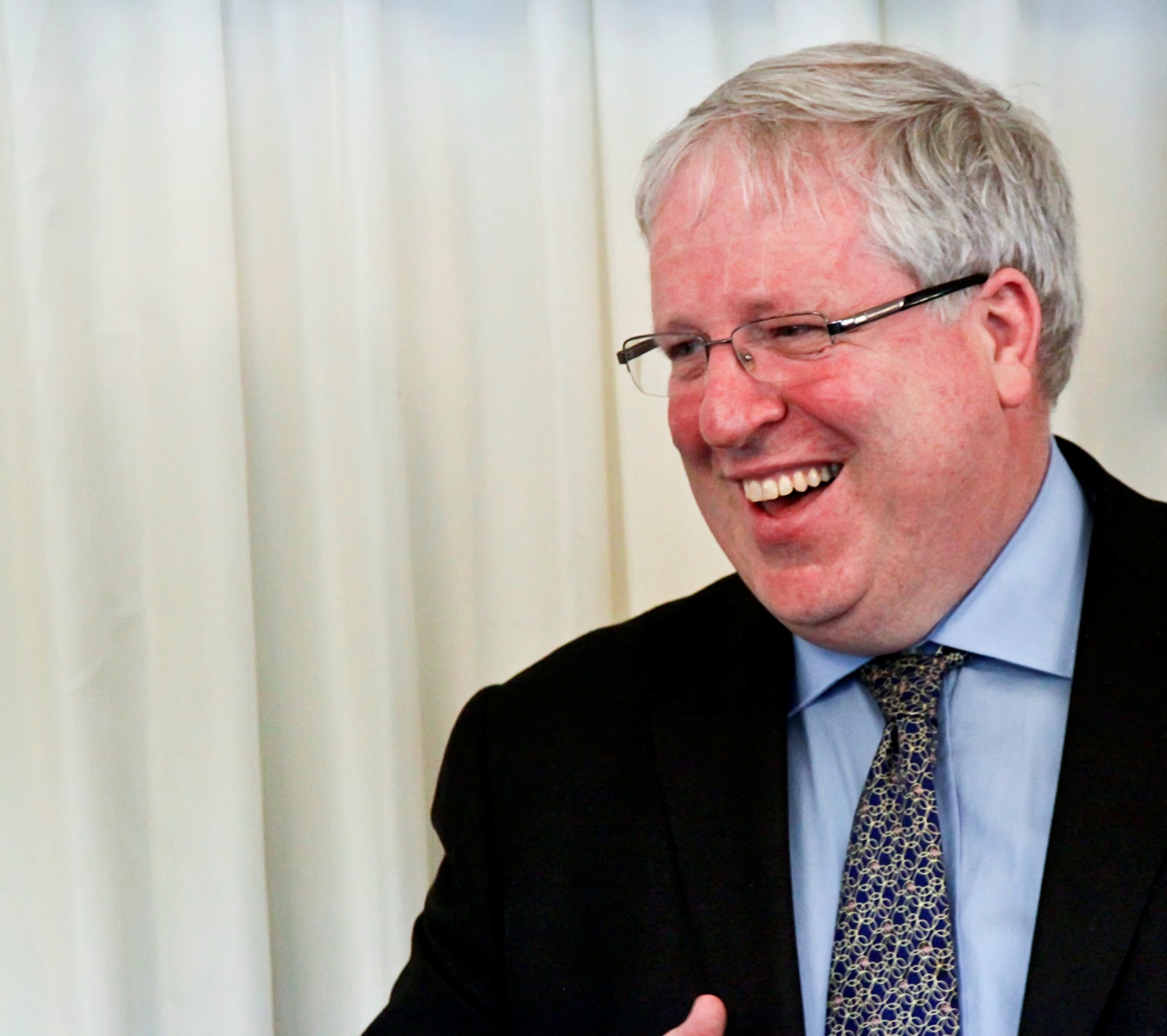
The recent joint BATA and AOA Parliamentary Reception on the terrace at the House of Commons was a great success. The reception was very well attended by a wide range of politicians including the Shadow Secretary of State, Maria Eagle, and many senior civil servants. We were especially pleased to welcome and hear from Patrick McLoughlin, the Secretary of State for Transport who spoke in response to my speech. Inevitably perhaps, there were no surprises in the Secretary of State’s remarks but we are grateful he is willing to engage with us and can draw on his previous experience as a former Minister of Aviation.

Air Traffic Control Strikes – Advice to Passengers

The strike by French Air Traffic Controllers is causing disruption for many passengers today (Tuesday 11th June) travelling between the UK and Europe. It also has the potential to cause delays on all flights through French airspace tomorrow, not just those to and from France. Passengers should check with their airlines, normally via the airline’s website, for further advice.

BATA Reaction to Publication of ITC Report on UK Aviation Strategy

Welcoming the ITC report, Simon Buck, Chief Executive of the British Air Transport Association, said:

The ITC Report makes a welcome contribution to the debate. The UK urgently needs to have a proper aviation policy. As yet it does not. It is essential for our future economic prosperity that the UK can compete effectively in both established and emerging markets.

This requires excellent aviation connectivity right across the country, ensuring the UK has both vibrant point to point airports and sufficient world class hub capacity. This means prioritising a favourable planning and regulatory regime and developing a bold aviation policy, providing for new airport capacity where it is required.

To ensure there is no further erosion of the UK’s competitive position, the Government must set a clear commitment to such measures being put in place, as part of a new aviation policy.“

Aviation Report by Transport Select Committee Welcomed By BATA

BATA Reaction to Publication of Transport Select Committee Aviation Report

Welcoming the ‘Aviation Strategy’ report from the House of Commons Transport Select Committee, Simon Buck, Chief Executive of the British Air Transport Association, said:

“It is good to see some refreshingly pragmatic and straight forward cross-party thinking from the politicians on the Transport Select Committee. We may not agree with everything they have concluded, but it is clear they set the national interest first and have been able to reach consensus on the way forward.”

View from the Chief Executive – April 2013

The first few months of 2013 have witnessed a rash of consultation documents from regulators and, with your input, BATA has responded vigorously to these. But a trade association worth its salt must also be proactive and seek to take the lead in bringing about change when needed. PaperworkBATA has also been busy in doing this by highlighting in the media and with officials and politicians a wide range of issues from aviation taxation to train services to airports. BATA is also a resource that stands ready to assist members whether by supplying research, additional lobbying effort or, most effectively, by acting as a focal point for the UK airline industry to speak with one voice.